Buying Comprehension: Giving the Last Mile of Advice Its Own Line
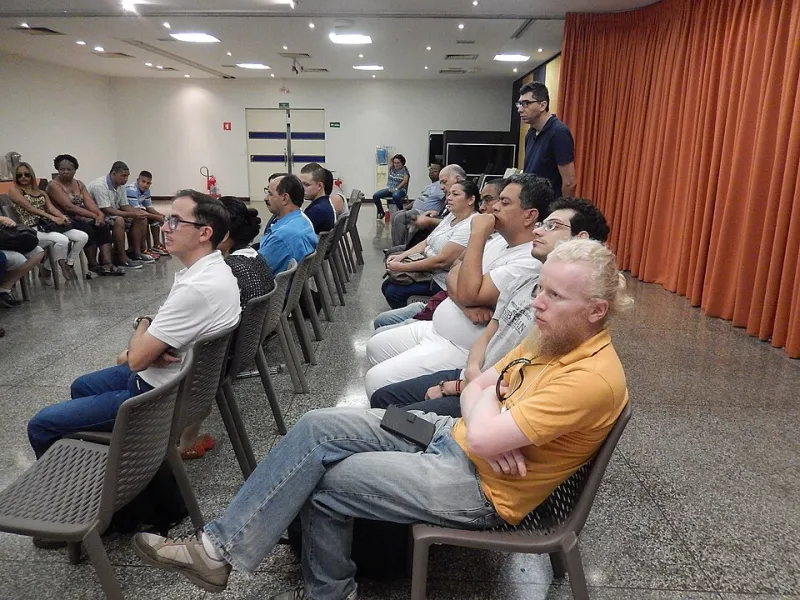
Photo: Laramara, CC BY-SA 4.0, via Wikimedia Commons
Most consultancy budgets are built in two halves. There is the thinking: interviews, data work, modelling, the diagnostic. And there is the doing: the implementation plan, the new process, the system change. Between those two halves sits a third activity that almost never appears as a line item, and yet determines whether the other two were worth paying for. That activity is comprehension — the deliberate work of turning a finding into something the people who must act on it can actually hold in their heads.
In operational terms, this is the most common source of value leakage I encounter. The report is sound. The recommendations are defensible. The team that commissioned the work is satisfied. Six months later, the operating model looks much as it did before, because the people running the shop floor, the finance function or the regional depot never received the finding in a form they could use.
What Comprehension Failure Looks Like
It is rarely dramatic. Nobody rejects the recommendation in a meeting. Instead, the change is absorbed into existing habits and quietly dissolves. A few familiar symptoms:
- The board pack repeats the same diagnosis two quarters running, phrased slightly differently each time.
- A shadow spreadsheet appears beside the new tool, built by someone who could not reconcile the tool's logic with what they knew to be true.
- Middle managers describe the change as "the consultants' project" long after the consultants have gone.
- Frontline supervisors can recite the headline but not the reasoning, so the first genuine exception stops them.
Each of these is a translation failure, not an analysis failure. The advice was probably correct. It simply never cleared the boundary between the room where it was produced and the rooms where it has to live.
Why It Gets Left Out
Three reasons recur. First, comprehension work is difficult to scope in advance — you cannot know precisely which sessions will be needed until the findings exist. Budget holders prefer defined deliverables, so the awkward, adaptive work gets deferred. Second, it looks like training, and training is often somebody else's budget. Third, and most quietly, there is an assumption that senior sponsors will carry the message downward. Sponsors are busy, and they hear the reasoning once, in a compressed form, at the end of a long day. That is not a transmission mechanism.
There is also a commercial asymmetry at play. Suppliers are paid for artefacts and effort. A well-run working session with twelve supervisors produces no thick document and no obvious milestone, even though it may be the single most valuable hour of the engagement.
A Reserve, Not a Department
The proposal here is modest: set aside roughly ten per cent of the engagement value for translation activity, ring-fenced and explicitly described in the contract. Call it a comprehension reserve. It is not a contingency pot for scope creep; it is the funding for the last mile.
What might it buy? Typically three things.
Working sessions with the operators. Not a presentation. A session where the people who run the process are handed the finding and asked to break it — to say where it collides with reality and what would need to change for it to hold. Half a day, well prepared, is often enough. The output is a revised finding and, more importantly, a group of people who now own the reasoning.
Plain-English decision aids. A two-page summary that states the situation, the options, what is being recommended, what it assumes, and what would have to be true for it to fail. Written for the person who has eight minutes, not the person who commissioned the study. This is harder to produce than a forty-slide deck and considerably more useful.
Internal walkthroughs. Short, repeated sessions with the managers who will be asked questions they did not anticipate. The purpose is to rehearse the awkward queries and agree the answers before they arrive.
Sizing It Honestly
Ten per cent is a starting convention, not a law. Narrow technical work with a small, expert audience needs less. Cross-functional change reaching several sites, a shift roster or a regulated process needs more — sometimes considerably more. The number that matters is not the percentage but the principle: comprehension is scoped and funded before the engagement begins, rather than improvised at the end when everyone is tired and the budget is nearly spent.
Three Questions Before You Sign
Where in this proposal is the work of explaining the findings to the people who will operate the change? If the answer points to a final presentation, that is a broadcast, not a translation. Ask what happens after the presentation.
Who on our side will be in the room when the finding is first tested against operational reality? If the only attendees are the sponsor and the project manager, the answer is nobody who will carry the consequence.
How will we know, four months from now, that understanding actually landed? A useful test: pick three people at three levels of the organisation and ask each to explain, in their own words, what is changing and why. If their accounts diverge materially, the reserve did its job of revealing the gap — and there is still time to close it.
The Return
Ten per cent sounds like an overhead. In practice it behaves like insurance on the other ninety. An engagement that concludes with a well-received report and no shift in behaviour has consumed the full budget and returned very little. An engagement that spends a fraction more on making the reasoning portable tends to show up in operating metrics rather than in testimonials, which is the harder and better place to be judged.
The discipline is simply to name the last mile in the contract, fund it, and staff it with the people who will have to walk it. Advice that nobody can restate is advice that was never really received.